Understanding Rhythm: From Basics to Complex Patterns
Rhythm is a fundamental element of music that organizes sound in time. It provides the pulse that drives a piece forward and shapes the listener’s experience. Understanding rhythm involves grasping concepts such as beat, tempo, and meter, which serve as the building blocks for all musical structures. This article breaks down these fundamentals and illustrates how rhythm manifests in various genres, from classical to electronic dance music.
By examining the components of rhythm and their applications, musicians and enthusiasts can develop a deeper appreciation for the complexity and expressiveness of musical timing. Whether you are a performer, composer, or avid listener, a solid grasp of rhythmic principles can enhance your engagement with music. In the following sections, we will explore the essential elements of rhythm and provide examples that demonstrate their role in shaping musical compositions.
Resonance Guide presents this exploration as an informational resource, aiming to clarify the often-intricate world of musical timing. The discussion is grounded in established music theory and offers a neutral perspective on how rhythm functions across different styles.
The Building Blocks: Beat, Tempo, and Meter
At the core of rhythm lies the beat, which is the basic unit of time in music. A beat is a regular, repeating pulse that serves as the foundation for organizing sounds. When you tap your foot to a song, you are likely tapping to the beat. Beats are typically grouped into measures, and the pattern of strong and weak beats within these groups creates what is known as meter. Meter provides a framework for understanding the rhythmic structure of a piece, indicating how beats are organized and accented.
Tempo, on the other hand, refers to the speed at which beats occur. It is measured in beats per minute (BPM) and can range from very slow to extremely fast. Tempo influences the overall feel of a piece; a slow tempo might convey calmness or solemnity, while a fast tempo can evoke excitement or urgency. Together with beat and meter, tempo forms the rhythmic backbone of music. These elements interact to create patterns that can be simple or highly complex, depending on the genre and the composer’s intent.
Understanding Time Signatures and Rhythmic Notation
Time signatures are notational devices that specify how many beats are in each measure and which note value receives one beat. For example, a 4/4 time signature indicates four quarter-note beats per measure, while 3/4 indicates three quarter-note beats per measure. Time signatures provide a visual representation of meter and help performers interpret the rhythmic structure of a piece. Common time signatures include 4/4, 3/4, and 6/8, each with its own characteristic feel.
Rhythmic notation uses various symbols to represent duration and timing. Notes and rests indicate how long a sound or silence lasts, while ties, dots, and other markings add further nuance. Understanding these symbols is essential for reading and performing music accurately. In addition to standard notation, some genres employ alternative systems, such as tablature for guitar or graphic notation for contemporary compositions. Regardless of the system, the goal is to communicate rhythmic intent clearly.
Rhythmic Devices: Syncopation, Polyrhythm, and Groove
Beyond the basics, composers and performers use rhythmic devices to add interest and complexity. Syncopation involves placing accents on normally weak beats or offbeats, creating a sense of surprise and forward momentum. This technique is prevalent in jazz, funk, and many Latin American styles. Polyrhythm refers to the simultaneous use of two or more conflicting rhythms, often heard in African and Indian music. These devices challenge the listener’s perception and add layers of texture to the music.
Groove is a term that describes the rhythmic feel or ‘pocket’ of a piece, particularly in popular music. It emerges from the interaction of various rhythmic elements, including timing, articulation, and dynamics. A strong groove can make a piece compelling and danceable, even if the underlying rhythms are relatively simple. Musicians often spend considerable time developing a shared sense of groove within an ensemble, as it is crucial for cohesive performance.
Rhythm Across Genres: Examples and Applications
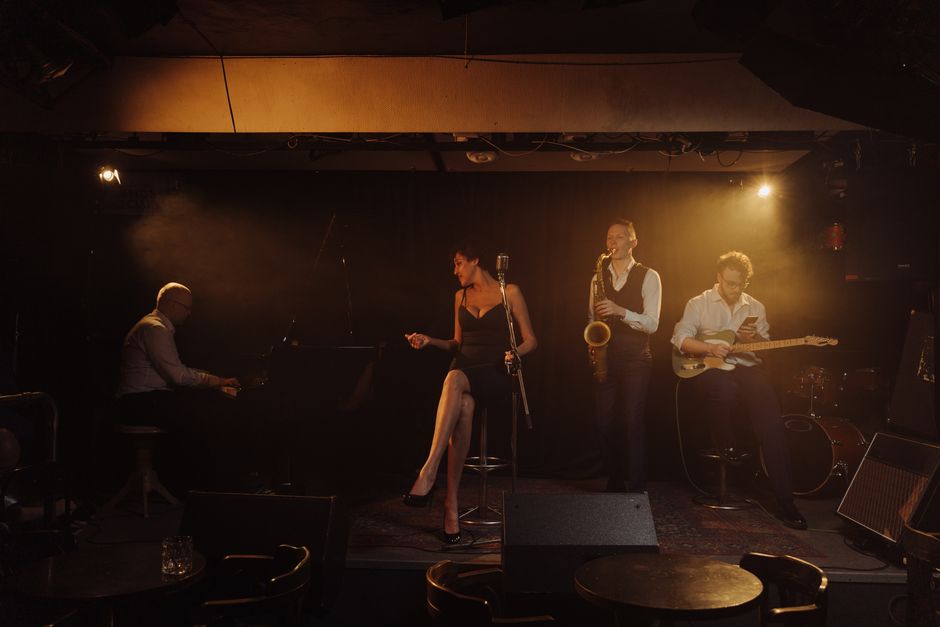
Different musical genres employ rhythm in distinct ways, reflecting cultural and historical contexts. In classical music, rhythm often follows strict metrical patterns, with tempo and expression markings guiding interpretation. Composers like Beethoven and Stravinsky expanded rhythmic possibilities, using syncopation and irregular meters to create dramatic effects. Jazz, on the other hand, emphasizes swing and improvisation, with rhythm sections providing a flexible foundation for soloists.
In rock and pop music, a steady backbeat is common, with the snare drum accentuating beats two and four. This pattern creates a driving feel that underpins many popular songs. Electronic dance music (EDM) relies on repetitive, four-on-the-floor beats and build-ups to energize dancers. Hip-hop often features complex, syncopated rhythms and samples, while world music traditions such as Afro-Cuban or Indian classical music showcase intricate polyrhythms and cyclical structures. Each genre’s rhythmic characteristics contribute to its unique identity.
Developing Rhythmic Skills: Practice and Perception
For musicians, developing rhythmic skills is an ongoing process that involves both practice and active listening. Practicing with a metronome can help internalize a steady tempo, while playing along with recordings of various genres can expose one to different rhythmic feels. Ensemble playing requires careful attention to timing and communication, as musicians must synchronize their parts. Exercises in clapping, counting, and conducting can also strengthen one’s sense of rhythm.
Perception of rhythm is not solely an auditory phenomenon; it engages motor and cognitive processes. Researchers study how listeners entrain to musical beats, which has implications for music therapy and education. For enthusiasts, simply paying attention to rhythmic details in familiar songs can deepen appreciation. Ultimately, rhythm is a universal aspect of music that connects performers and listeners across cultures and eras. By understanding its fundamentals, one can engage with music on a richer level.